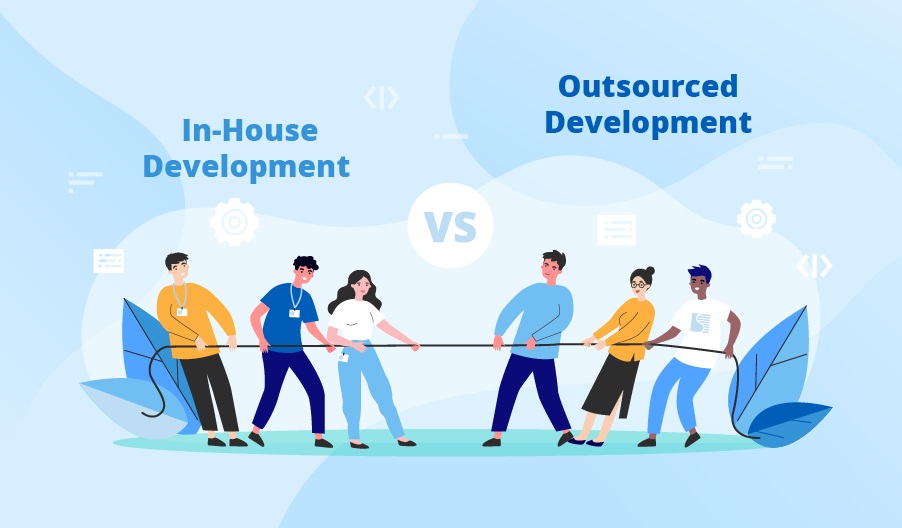
There is no universal answer to whether IT should be internal or outsourced. The right model depends on your risk, pace of change, budget, internal skills, and the systems your business relies on every day.
When internal IT makes sense
Internal IT can be valuable when technology is central to daily operations and staff need constant context about business processes.
- You need rapid onsite support or deep knowledge of internal workflows.
- Your systems are specialized or heavily customized.
- You have enough work to keep the role focused and productive.
When managed services make sense
External support can provide broader skills and coverage than a small internal team can maintain alone.
- You need reliable helpdesk, monitoring, backup, or security support.
- You cannot justify hiring several specialists.
- You want clearer processes for maintenance and documentation.
Consider a hybrid model
A hybrid approach keeps ownership inside the business while using external experts for defined responsibilities.
Hybrid responsibilities to define
- Who approves technology decisions?
- Who manages vendors and subscriptions?
- Who responds to urgent incidents?
- Who owns security reviews and backups?
Compare total cost, not only monthly fees
Include salaries, tools, training, recruitment, coverage gaps, project delays, and risk. A lower monthly fee may not be cheaper if it leaves important work unmanaged.
Final recommendation
Choose the model that gives the business clear ownership, reliable support, and access to the skills it needs without creating hidden gaps.